Mendoza wine country, valley by valley
Luján de Cuyo, Maipú and the Valle de Uco do not taste alike and do not visit alike. What each one is for, and how to plan a day that is not just three tasting rooms.
By VisitCuyo Editors ·
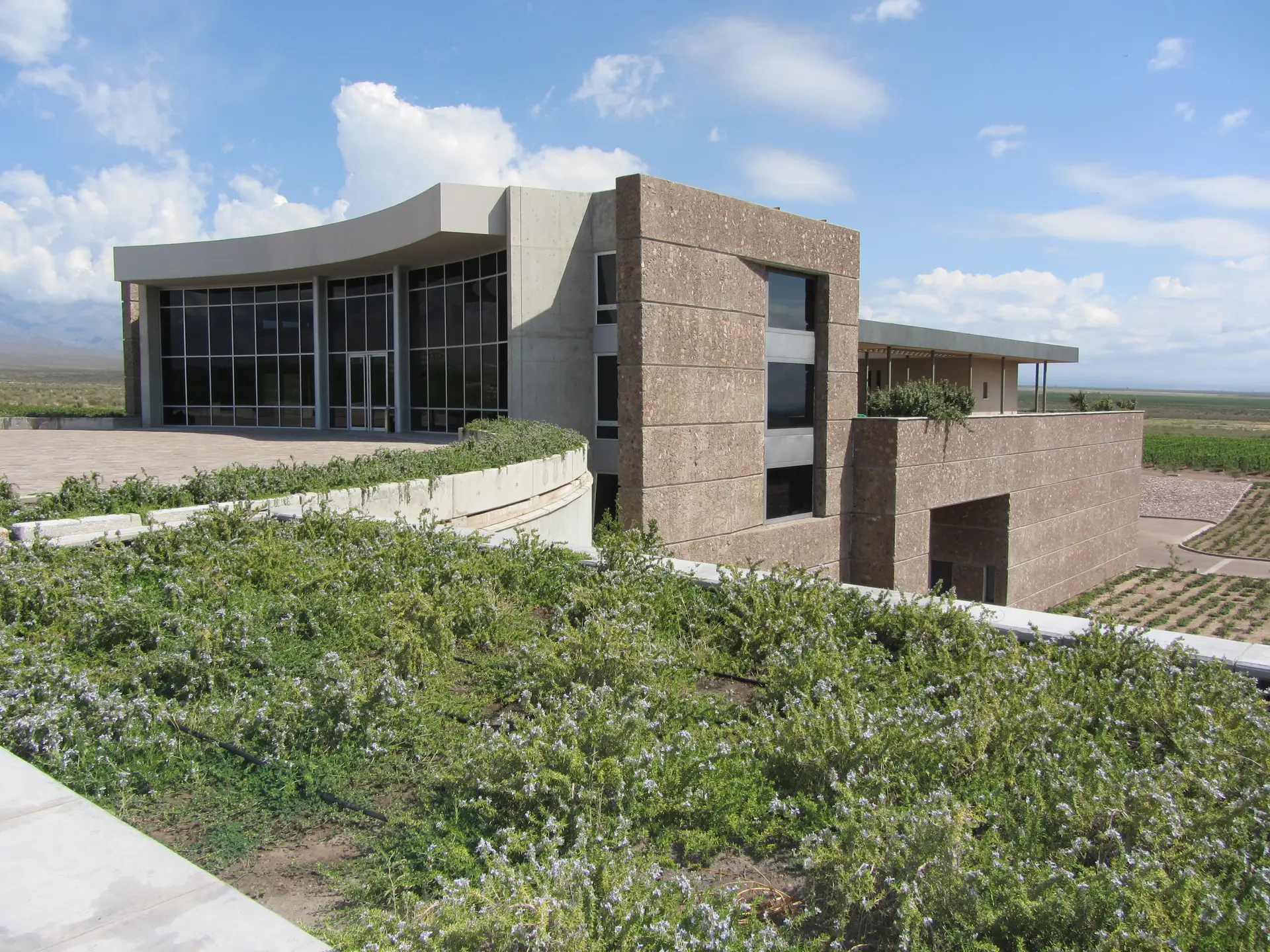
Photo: Steve Ryan, CC BY-SA 2.0

Mendoza grows wine the way the rest of Argentina grows cattle: at scale, and with opinions. Nearly all of it sits between 700 and 1,500 metres on the dry side of the Andes, watered by snowmelt through a canal system the Huarpe built and the Spanish extended. Altitude is the thing to hold on to — it is what gives the Malbec here its colour and its grip.
Three areas carry most of what a visitor will drink.
Maipú: the old one, and the easy one
Closest to the city, lowest, warmest. Maipú is where Mendoza’s wine industry started, and it still has the nineteenth-century bodegas and the olive oil producers to show for it. It is also the only area you can reasonably do by bicycle — flat, close together, well served.
The wines are rounder and softer than the altitude regions. Plenty of people treat Maipú as the warm-up day.
Luján de Cuyo: the Malbec heartland
Half an hour south of the city, 900 to 1,100 metres. This is where Malbec was rehabilitated into a serious wine in the 1990s, and where the old vines are — some plantings go back eighty years. Expect darker, firmer wines than Maipú and a denser concentration of big names.
Practical note: the famous addresses here take bookings, often weeks ahead, and several no longer accept walk-ins at all.
Valle de Uco: the high one
An hour and a half south, between 1,000 and 1,700 metres, against the wall of the cordillera. The Uco is the newest of the three and the most dramatic to look at — vineyards running straight at the Andes, the architecture self-consciously modern.
The altitude shows in the glass: more acidity, tighter tannins, more perfume. It is also the furthest apart. Two wineries in the Uco is a full day, and trying for four means spending it in the car.
Planning a day that works
- Book everything. Walk-in tastings have largely disappeared at the known producers.
- Three wineries is the ceiling, two in the Uco.
- Don’t drive. Argentina’s drink-driving limit in Mendoza province is zero. Hire a driver, take a tour, or cycle in Maipú.
- Eat at one of them. The long winery lunch is the point, not an add-on.
- Go in the morning in summer; the afternoon heat flattens both the vineyard and your palate.
Beyond the tasting room
The harvest is the obvious draw, but the off-season has its own case: pruning in winter, flowering in October, and in any month the Alta Montaña road west from Mendoza — Potrerillos, Uspallata, Puente del Inca, the Aconcagua lookout — which turns the wine trip into something closer to a mountain one.